

What’s the first thing you picture when you hear “college recruitment in sports”?
Chances are, you’re thinking about stats, highlights, speed, strength, and standout performances. While those matter, they’re only part of the picture, and often not the deciding factor.
Colleges are increasingly looking at the whole student-athlete, especially as conversations around sport psychology, mental health, and long-term development grow louder.
Here’s what colleges actually look for and how student-athletes can prepare early.
1. Academic Consistency Matters More Than You Think
College programs recruit students who can stay eligible.
Strong grades, solid attendance, and the ability to handle academic challenges signal reliability. Coaches want athletes who won’t struggle academically once travel, training, and competition increase.
What colleges look for:
- Evidence of study skills for middle schoolers developing into strong habits
- The ability to organize homework and manage deadlines
- Comfort with structured schedules
This is why many families explore schools for athletes, sports high schools, or even private middle schools that intentionally support the student-athlete life.
2. Time Management Is a Recruiting Skill
One of the biggest challenges students face as athletes is balancing school, training, and recovery.
Colleges value athletes who demonstrate:
- Strong time management for student-athletes
- The ability to juggle academics, training, and extra curricular activities
- Maturity in handling a demanding schedule
The benefits of being a student-athlete include discipline, focus, and resilience. These traits show up early, especially in middle school sports environments that emphasize structure.
3. Mental Toughness & Sport Psychology Are Now Front and Center
Modern recruitment looks beyond performance. Coaches increasingly care about student-athletes and mental health.
Understanding sport psychology helps athletes:
- Manage pressure
- Respond to setbacks
- Stay consistent during long seasons
Programs that teach emotional regulation, confidence, and accountability (often found in an elite level sports academy or specialized athletic training students programs) prepare athletes for college expectations.
4. Leadership & Character Matter
Recruiters talk to coaches, teachers and administrators. They’re listening for clues about attitude, effort, and leadership.
Positive signs include:
- Helping teammates
- Taking feedback well
- Showing up prepared on and off the field
These qualities often develop early through middle schools sports, mentorship, and intentional guidance like advice for sixth graders learning how to balance responsibility.
5. Early Structure Builds Long-Term Advantage
Families sometimes wait too long to think about recruitment. In reality, preparation starts well before high school.
Strong programs help students develop:
- Note-taking habits (even simple lessons on taking notes)
- Organizational systems (sometimes supported by apps for middle schoolers)
- Confidence managing expectations from adults and peers
This is why some families choose private schools in CA or specialized schools for athletes that blend academics, training, and personal development.
The Bottom Line
College coaches ask one important question:
“Can this student-athlete manage college life?”
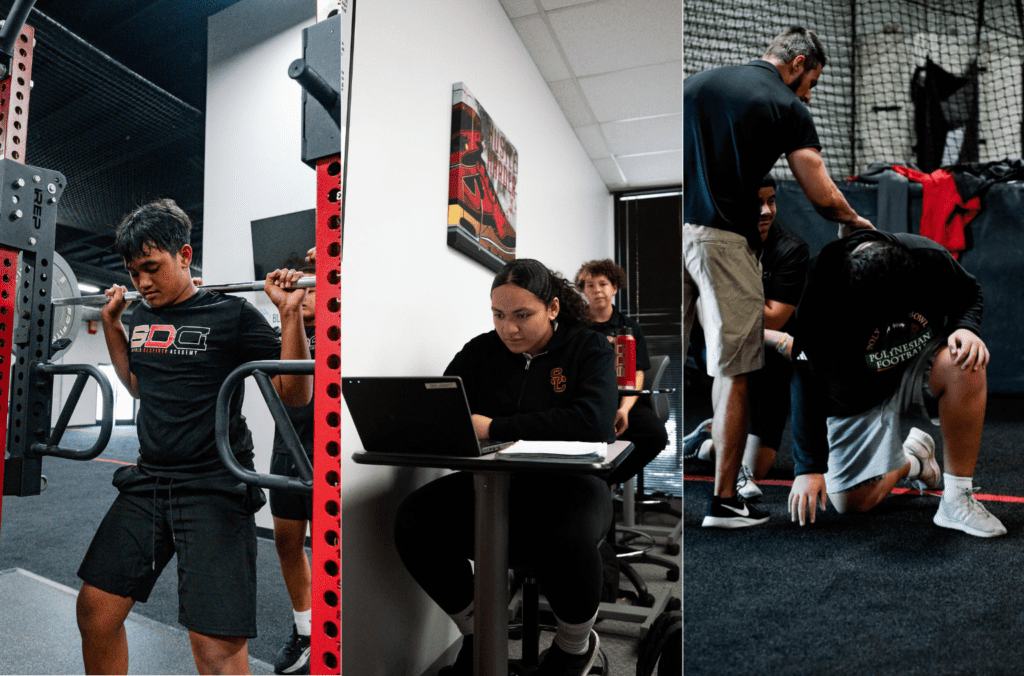
At Sapolu Destined Academy, this philosophy shows up every single day. Our students experience a balance of structured academics, intentional training, and real accountability: the same expectations they’ll face at the collegiate level and beyond.
💬 Curious how SDA helps student-athletes build confidence, discipline, and purpose, both on and off the field?
You can Contact our admissions team
or
schedule a campus tour to experience SDA firsthand.